...and Why the Cimbria 163 Aspirator Is an Advantage
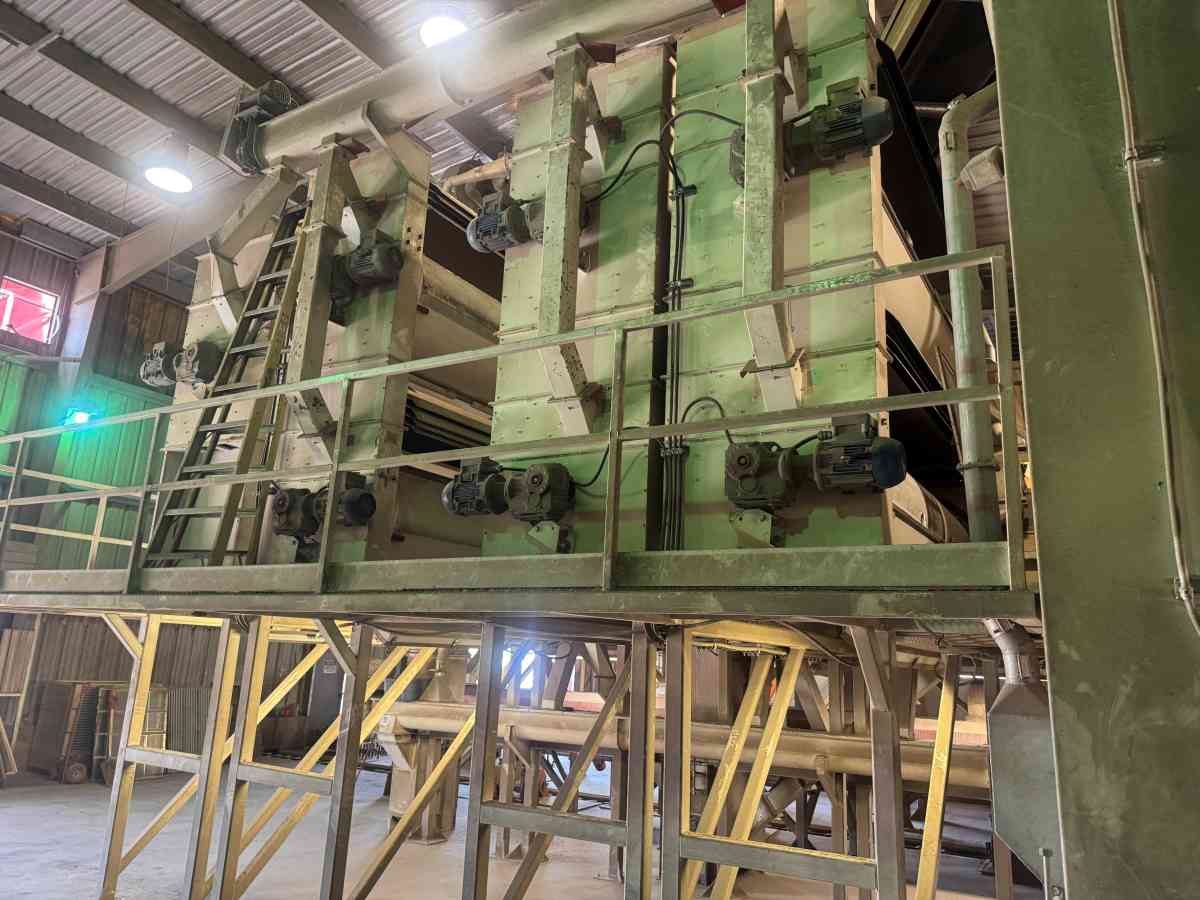
You have a seed plant and, you know the scene, a hazy cloud hanging in the air, fans roaring, and everyone wearing a mask that’s already turning gray five minutes into the shift. Dust isn’t just annoying; it’s expensive, and possibly dangerous.
The good news? You don’t have to live with it. One of the simplest and most effective ways to get dust under control is by adding a proper aspirator, and in my experience (I have seen plants I’ve visited), the Cimbria 163 is the one piece of equipment that keeps coming up in “I wish we’d done this sooner” conversations.
Why seed dust is such a big deal?
- It explodes (grain and seed dust being combustible).
- It ruins bearings, motors, and anything with moving parts.
- It makes people cough, triggers allergies.
- It carries weed seeds and pathogens from one batch to the next.
In short, if you’re cleaning cereals, pulses, or pretty much anything that comes off a combine, dust hanging on.
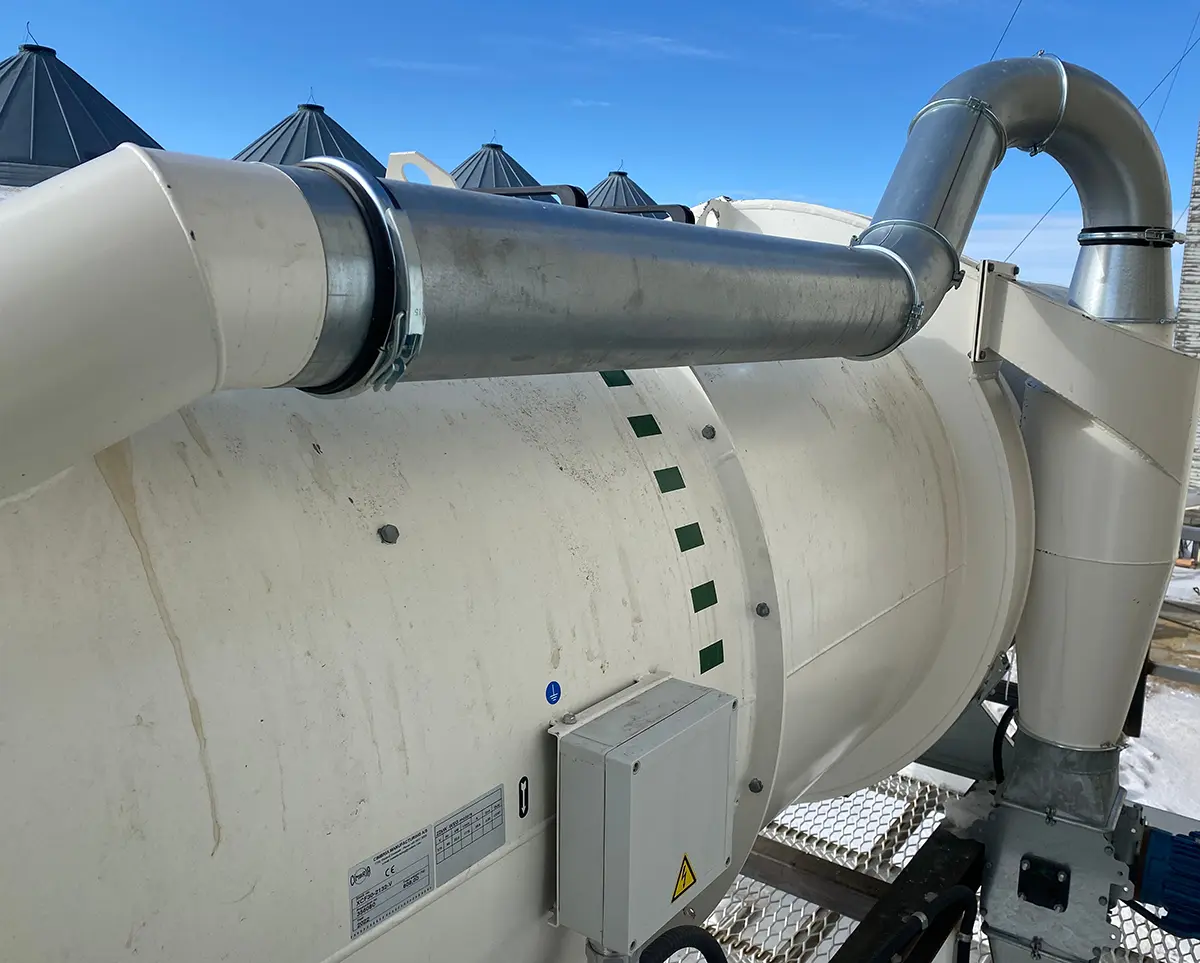
Cimbria 163 aspirator
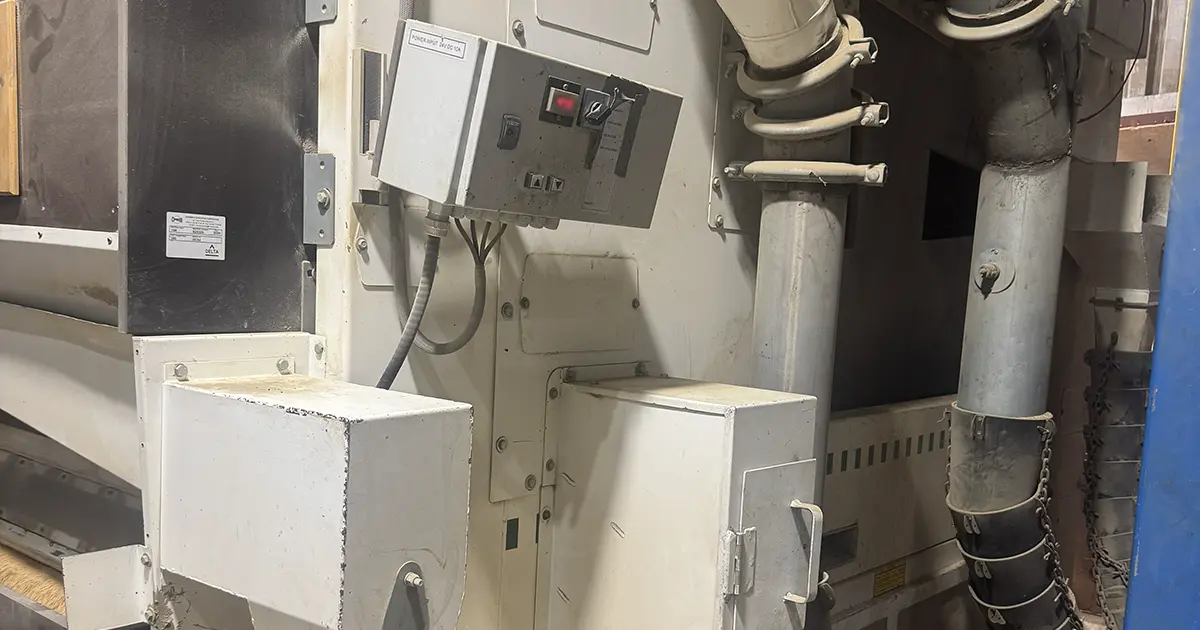
Think of an aspirator as an enclosed air channel that only sucks up the light stuff (dust, chaff, empty husks, broken bits) and lets the good heavy seed fall straight through.
The 163 model comes in widths as small as just over 15” up to 70” wide. Fitting the flow in most seed plants: large enough to handle big tonnage at receiving, or compact enough to bolt onto an existing air duct servicing an in-feed aspiration at your Color Sorter.
Where should you put it?
- Right at the beginning (pre-aspiration) Put one right after the intake pit or elevator leg. This knocks out a good% of the trash before it ever hits your screens or gravity table. Your machines stay cleaner, run happier, and you’re not just moving the same dirt around the plant all day.
- Right at the end (after-aspiration) Stick another one close to your final stage. This is where the really fine dust shows up, the stuff that looks like smoke and coats everything. The “after-suction” on the 163 is ridiculously good at grabbing those last lightweight particles so your finished seed looks clean and your bagging area isn’t a snow globe.
Simplicity is an advantage:
- Fine tune air with a simple blast gate and false air.
- Easily check performance.

It’s not rocket science to install
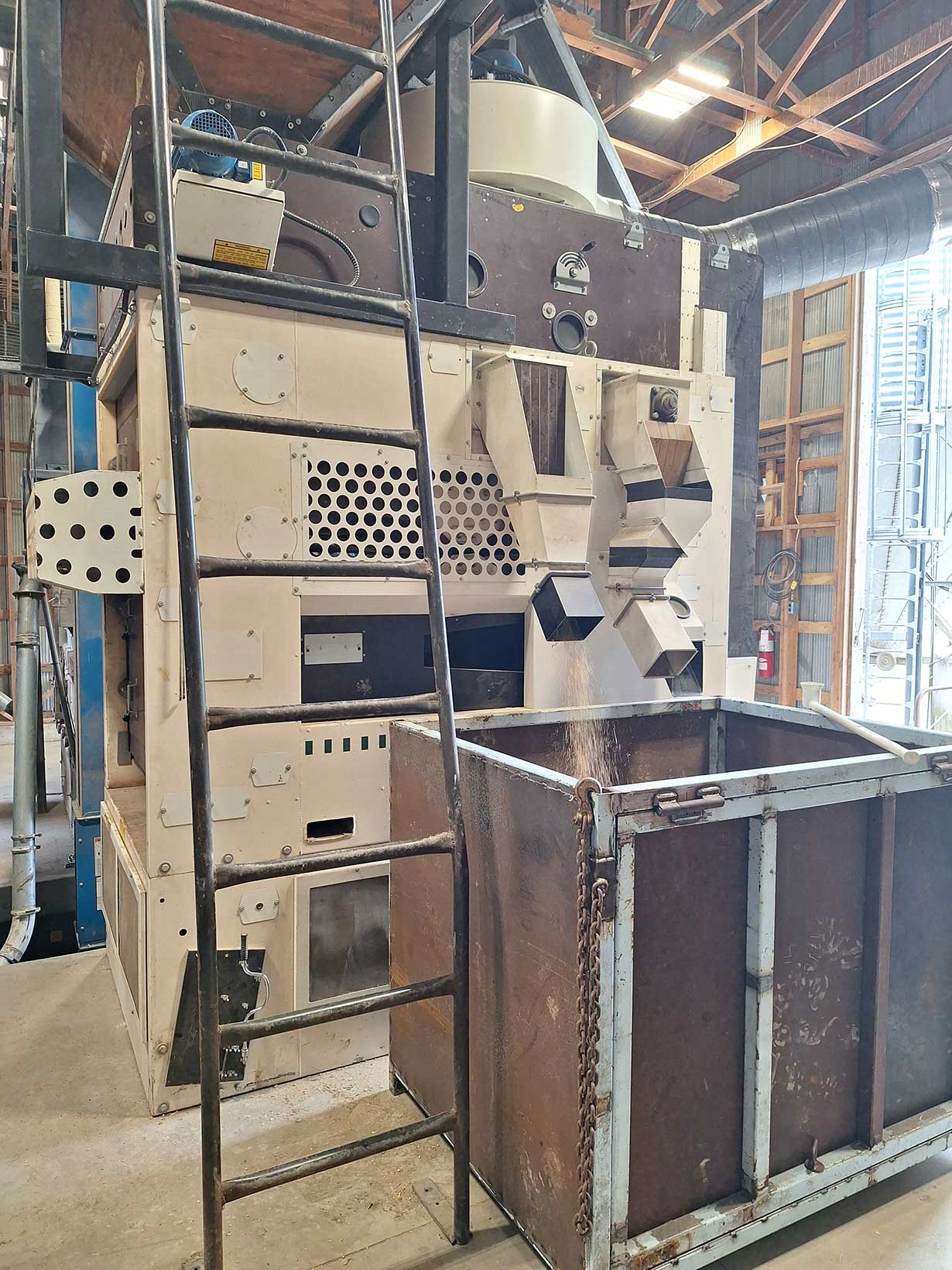
If you already have a Cimbria cleaner (Delta Super, etc.), the 163 literally matches up with a couple of Q-pipes. If you’re on another brand, it’s still just some design and some ducting. Most plants have it running in a long weekend.
Bottom line
If dust is costing you downtime, headaches, or gray hair, do yourself a favor and look at the Cimbria 163. Put one up front, one at the back, or both. Your lungs, your maintenance crew, and your insurance agent will all send you a thank-you note.
Clean air in a seed plant isn’t a luxury; it’s basic good business. And sometimes the fix is just one well-placed aspirator away.