I get asked this question in almost every conversation with customers who are considering adding an optical sorter to their processing line:
“How long will it last?”
It’s a tough question to answer as a salesman. I don’t want to scare anyone off, but as a trusted advisor I also need to be honest.
To explain it, I usually use an example from my own desk: laptop computers.
Right now, I have three laptops sitting in front of me that still get used.
The oldest one runs Windows 98 and an old QuickBooks accounting program that I’m too stubborn to part with. It still works perfectly—but it never connects to the internet for fear that an update might shut it down.
The next one is a 10-year-old HP ProBook running Windows 10. It still plugs along just fine. It has a DVD drive, an SD card slot, five USB ports, an ethernet connection, a docking station terminal on the bottom, and even a smart card reader. It was top-of-the-line when it was new.
My daily laptop is a modern HP with a 13th-generation Intel processor running Windows 11. It weighs half as much as the older machines and has far more computing power—but only two USB ports and a USB-C port. Everything connects wirelessly now. Fewer cords, better performance, and a much cleaner desk.

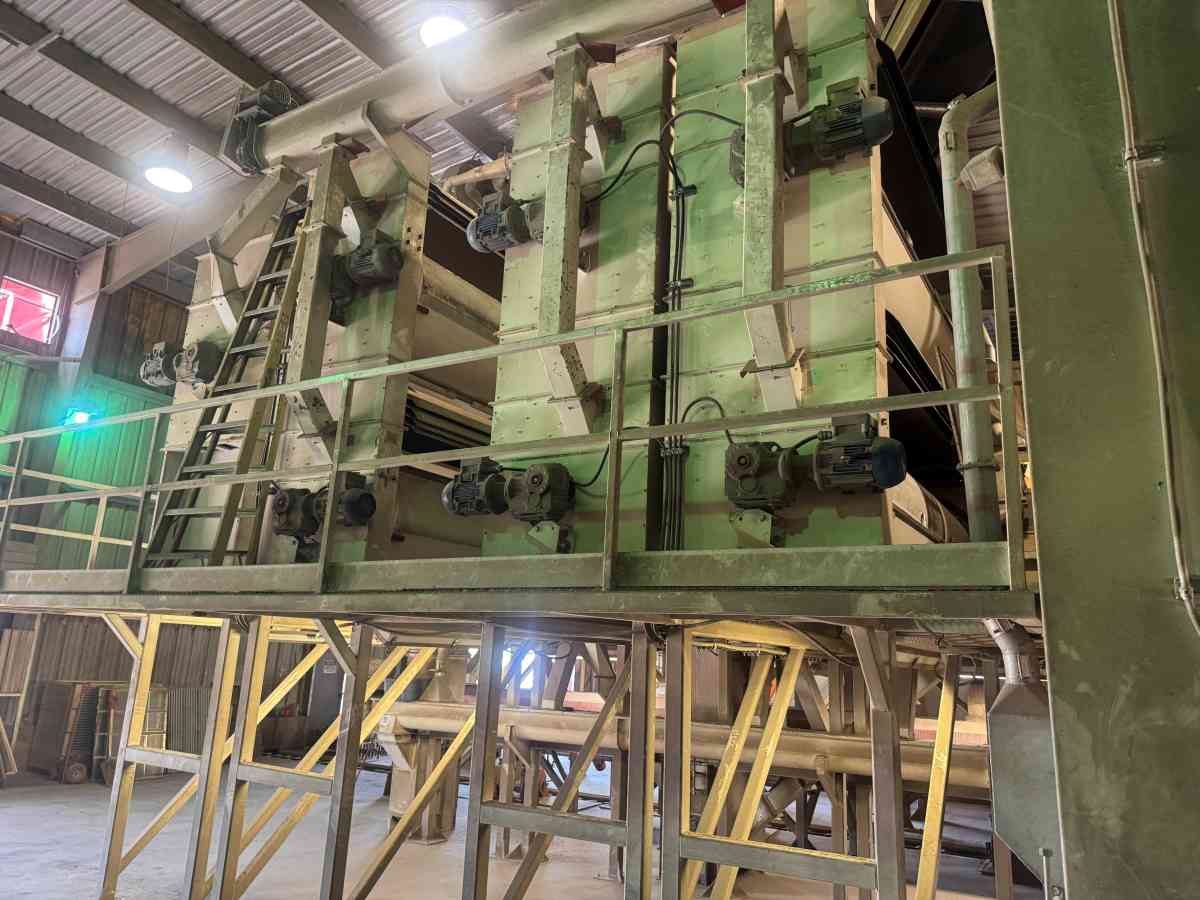
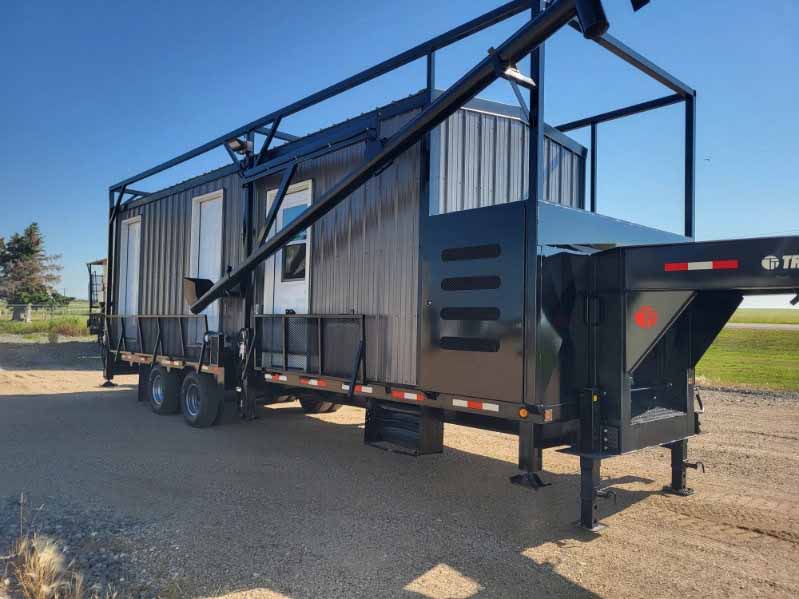
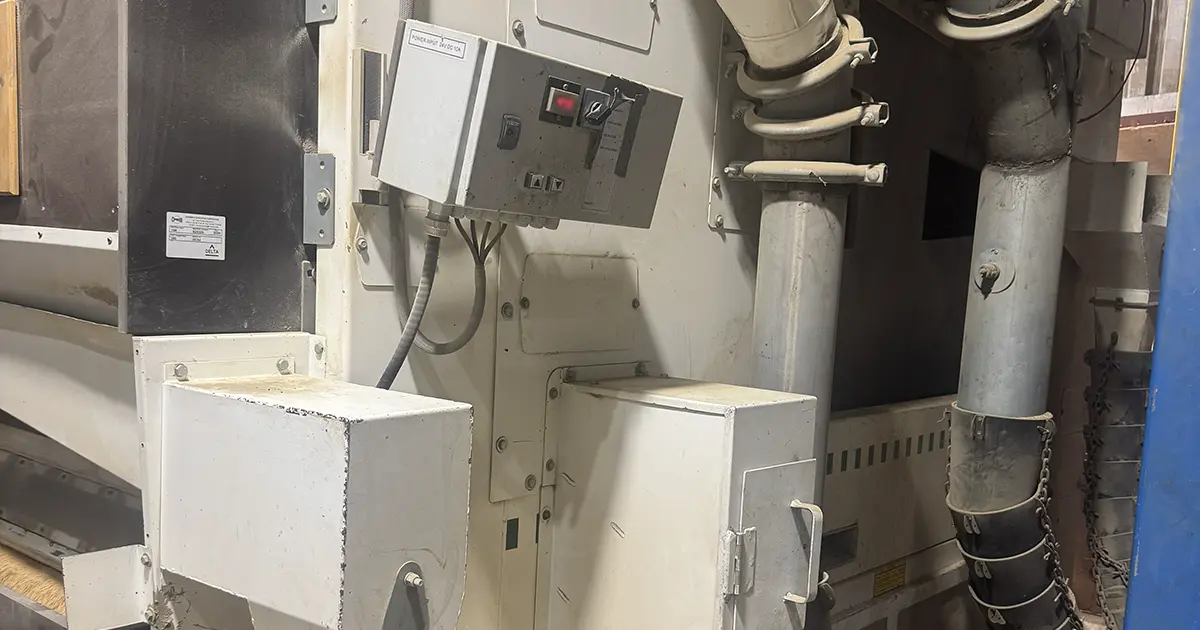
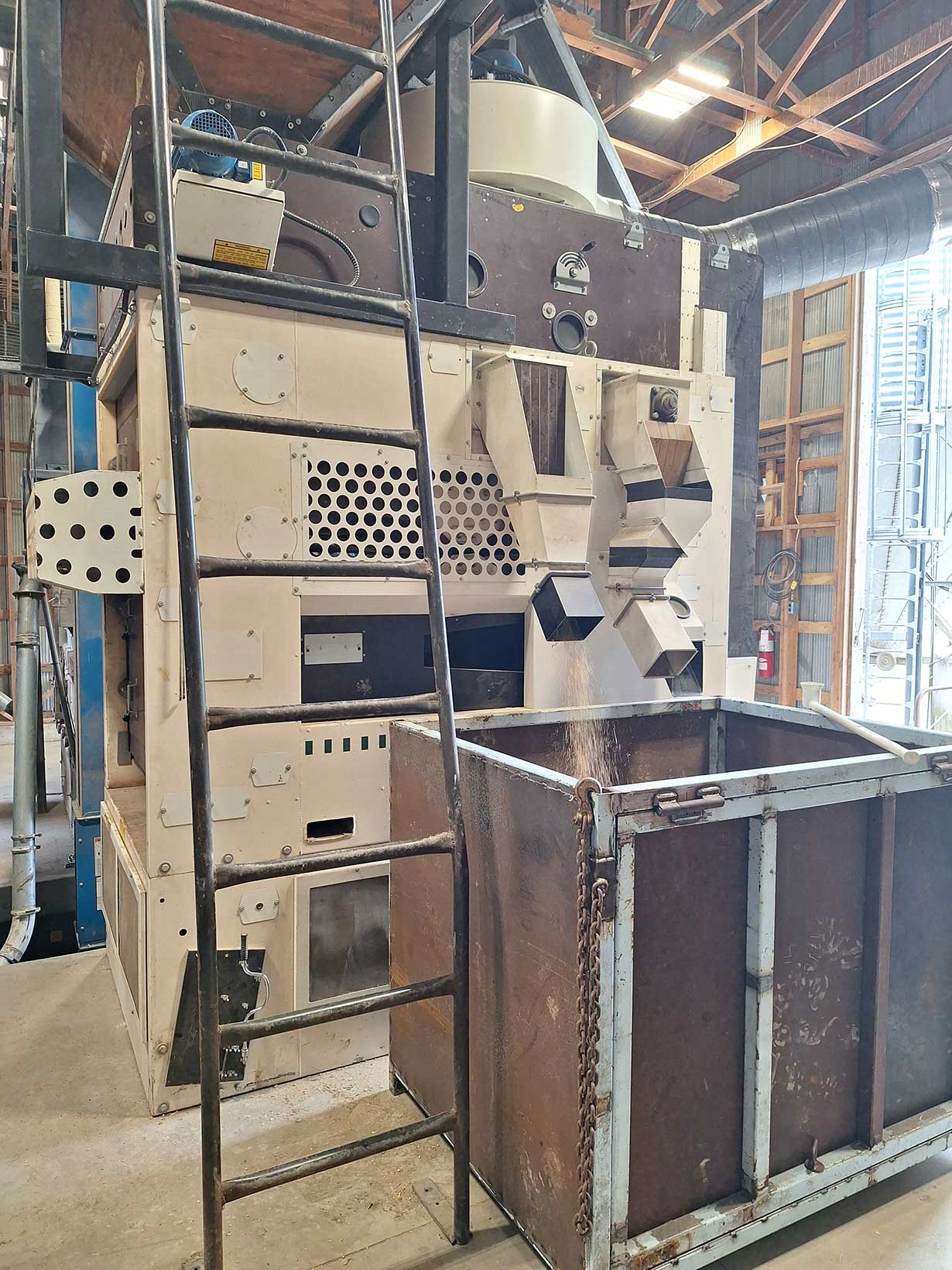
Above: Pics of SEA colour sorters from the early 1970’s.
So where am I going with this?
Ten years of service is a lot to ask of a laptop. Even when they’re well maintained, they eventually start slowing down or crashing occasionally.
Optical sorters are not that different.
At their core, colour sorters are essentially computers combined with complex lights, cameras, air ejectors, glass cleaning systems that are controlled by high-speed processors.
The big difference is cost, Optical sorters are expensive!
Over time:
- Lighting systems can lose intensity
- Ejectors can gum up from contaminants in the air supply
- Mechanical glass-cleaning systems can wear out
- Electronic boards can fail due to vibration and years of constant processing
A quality sorter will continue to function as designed using the best technology available at the time it was built.
But technology never stands still.
My newest laptop runs beautifully, but it doesn’t even have a touchscreen. Compared to today’s newest models, it’s already starting to look outdated.
The same thing happens with sorters.
When customers are designing a new room for a sorter, I often suggest something that surprises them:
Install two large doors so the sorter can be removed and replaced easily.
That’s usually when I get the “deer in the headlights” look.
“Why would we need to replace it?”
That’s when the laptop analogy comes out.
Technology Is Moving Faster Than Ever
In the last three years alone, I’ve seen major advancements with the new generation of Cimbria SEA optical sorters.
Processing power, speed, and data handling have increased dramatically. Artificial intelligence is now embedded in the software, making setup and recipe management incredibly simple while improving sorting accuracy across a wider range of product streams.
The result?
Better performance and higher efficiencies that put money back into the operation.
The Real Question: When Does Replacement Make Sense?
It’s easy to become emotionally attached to one of the most expensive machines in your processing line.
But eventually, plant managers need to weigh:
- increasing downtime
- rising repair costs
- lost efficiency
- missed product recovery
against the value of upgrading.
In many cases, even a 3–10% improvement in sorting performance can dramatically change the return on investment.
That’s why having a replacement plan built into your long-term operating budget is so important.
ROI is the key factor.
Testing the Next Step
If you’re running an older sorter that’s still performing well, the best way to evaluate an upgrade is simple.
Run your product samples through modern lab machines.
With our testing facilities, we can show customers exactly how a new system could improve their sort—and by how much. That’s where we step back into our role as trusted advisors.
Letting Go of Old Technology
I know it’s probably time for me to recycle my old Windows 98 laptop.
But it’s like a pair of old shoes.
They’re comfortable. Nobody else wants them. I can’t run very fast in them anymore, and they take up space in the closet behind my newer, ultra-comfortable shoes that look better and support me properly.
Eventually, you have to let go of the old pair and step forward.
What has been your experience?
How long did your optical sorter run before you considered it at the end of its lifecycle?
What’s New in the Cimbria SEA Sorter Line
SEA IQ+
SEA XL